About Vietnam · 1955 to 1975
The Vietnam War, Explained
A clear, honest guide to Vietnam War history for anyone who never learned the whole story: why it started, what happened, who served and why it still matters.
Vietnam War history spans two decades, five American presidents and one of the most divided eras the United States has ever lived through. If you have heard the names Tet, Da Nang or The Wall but never had the full picture, this page is your starting point.
In about 15 minutes, you will learn why America went to Vietnam, what happened there, who served, how it ended and why it still matters to the 2.7 million Americans who served in Vietnam and their families.
On This Page
Vietnam War History in 60 Seconds
After World War II, Vietnam was a French colony fighting for independence. Communist-led forces under Ho Chi Minh defeated the French in 1954, and an international agreement temporarily split the country in two: a communist North and a U.S.-backed South.
The United States feared that if South Vietnam fell, communism would spread across Southeast Asia. Washington sent money, then military advisers, then, starting in 1965, hundreds of thousands of combat troops. American forces peaked at about 543,000 in April 1969.
The war grew deeply unpopular at home. Peace talks dragged on for years. A ceasefire was signed in January 1973, and the last U.S. combat troops left on March 29, 1973. Two years later, on April 30, 1975, North Vietnamese forces captured Saigon and the war was over.
Why America Went to Vietnam
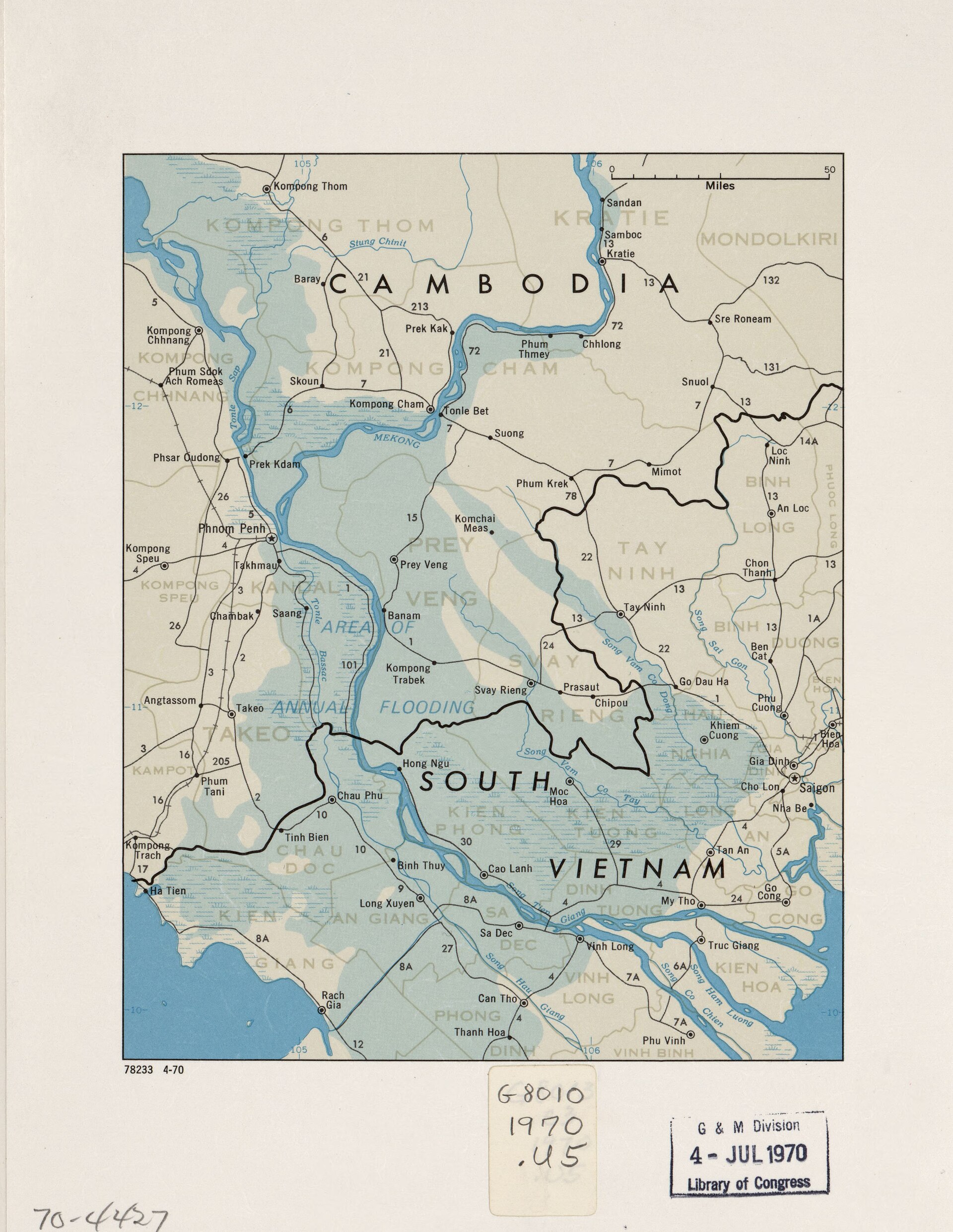
Vietnam War history begins with the Cold War. After World War II, the United States and the Soviet Union competed for influence around the world. American leaders believed that if one country in Southeast Asia fell to communism, its neighbors would follow, an idea known as the “domino theory.”
When the French left Vietnam in 1954, the Geneva Accords divided the country near the 17th parallel. Elections to reunify it never took place. The United States backed the government in the South, while the North, supported by the Soviet Union and China, worked to unite the country under communist rule.
A communist insurgency in the South, known to Americans as the Viet Cong, grew through the late 1950s. The first American service member killed in Vietnam died on July 8, 1959, according to VA. By the end of 1964, roughly 23,000 U.S. military advisers were in the country.
The Turning Point: Gulf of Tonkin, 1964
In early August 1964, the Navy reported attacks by North Vietnamese patrol boats on U.S. destroyers in the Gulf of Tonkin. The details of the second reported attack have been questioned ever since.
On Aug. 7, 1964, Congress overwhelmingly passed the Gulf of Tonkin Resolution, Public Law 88-408. It gave President Lyndon B. Johnson broad authority to use military force without a formal declaration of war. That resolution opened the door to a full American combat role.
The Ground War, 1965 to 1968
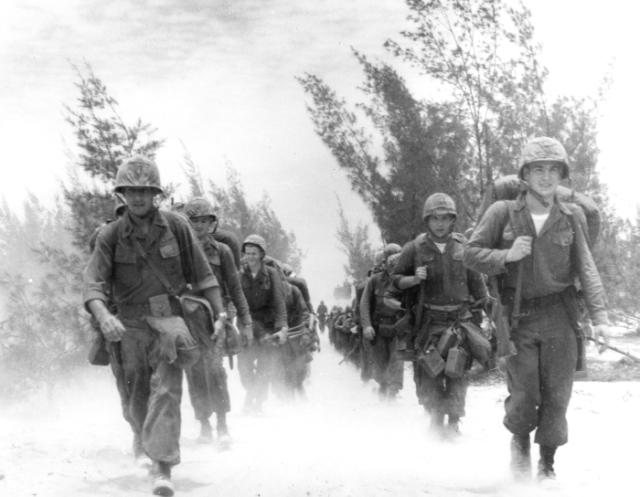
On March 8, 1965, U.S. Marines came ashore at Da Nang. They were the first American combat units sent to Vietnam, and they would not be the last. Within a few years, more than half a million Americans were in country.
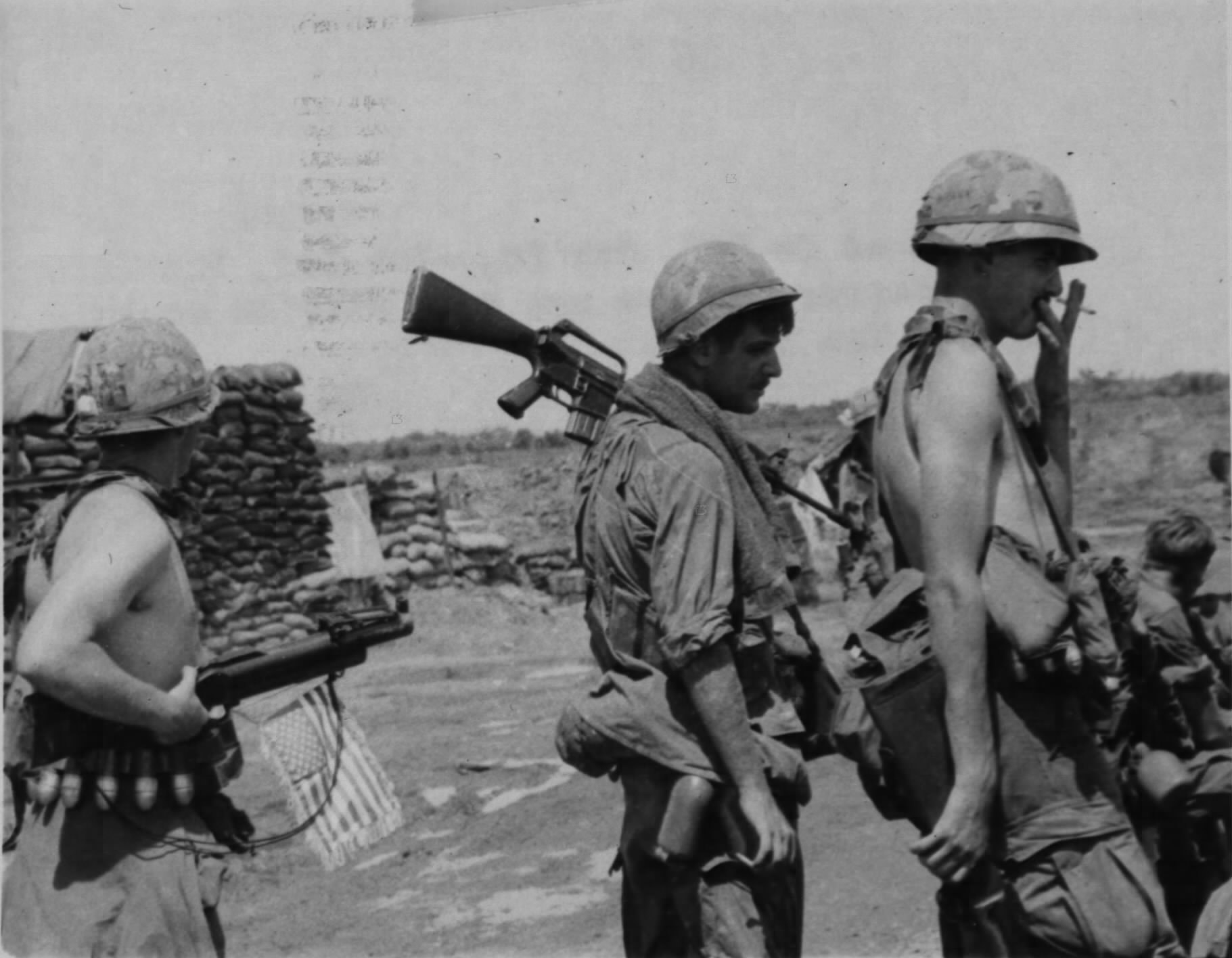
This was a new kind of war. There were few front lines. Units patrolled jungles, mountains and rice paddies, searching for an enemy who could vanish into villages or tunnel networks. The helicopter, especially the UH-1 “Huey,” became the symbol of the war, carrying troops into battle and the wounded out of it.
Most soldiers and Marines served a one-year tour. Many were draftees. They came home one at a time, often within days of leaving combat, with no unit beside them and no parade waiting.
The Tet Offensive, 1968
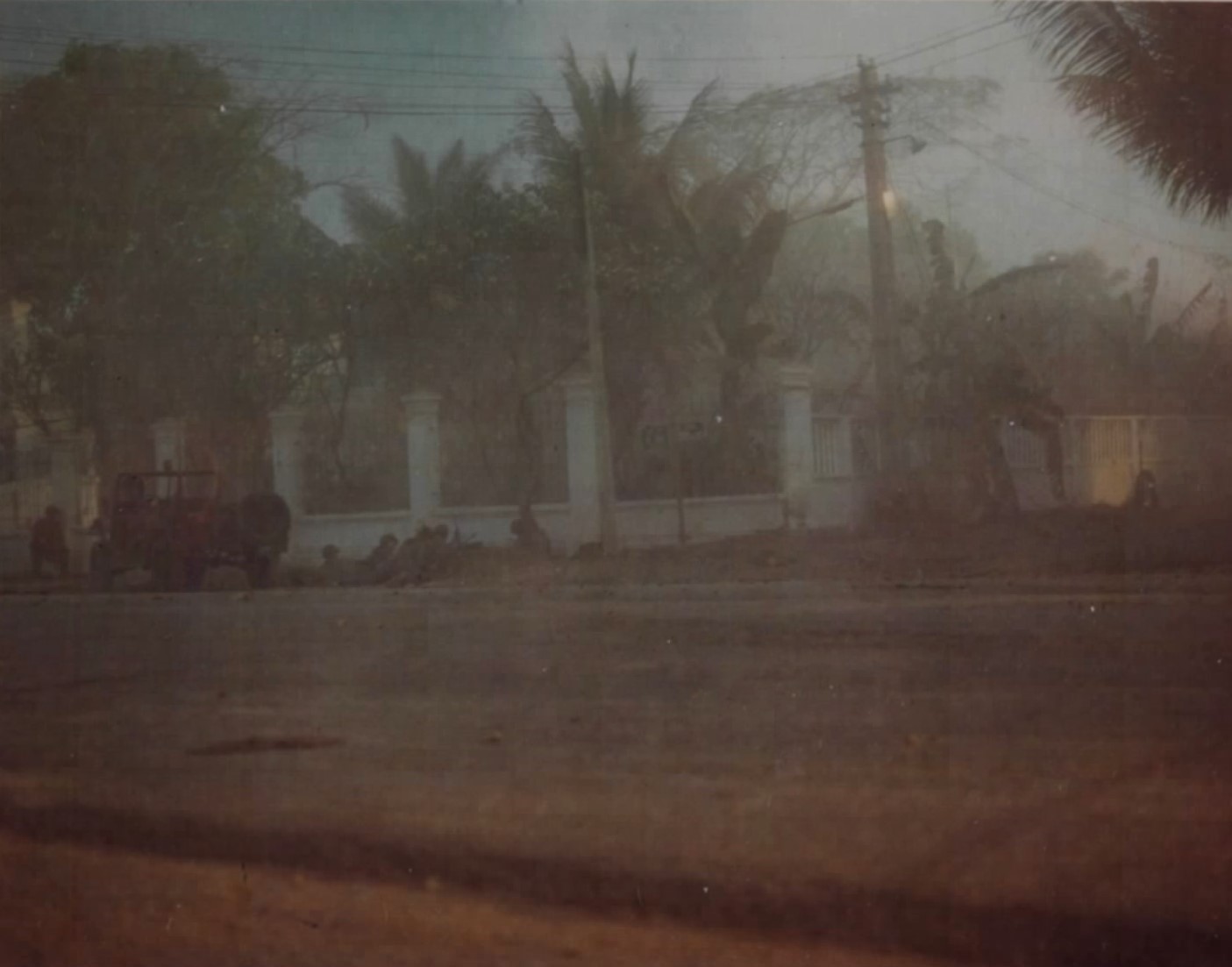
On Jan. 30, 1968, during the Vietnamese Lunar New Year holiday known as Tet, North Vietnamese and Viet Cong forces launched coordinated attacks on cities, towns and bases across South Vietnam, including Saigon itself.
Militarily, the attackers suffered heavy losses. Politically, Tet stunned Americans who had been told the war was being won. Public support fell sharply. Peace talks opened in Paris on May 13, 1968. Vietnam War history records 1968 as the deadliest year for U.S. forces, with 16,899 American deaths, according to National Archives data.
The Home Front: A Nation Divided
The Vietnam War divided Americans like no conflict since the Civil War. Television brought combat into living rooms every night. Draft calls reached into nearly every community, and on Dec. 1, 1969, the government held the first draft lottery since World War II.
Protest grew on campuses and in cities. On Nov. 15, 1969, an estimated 250,000 people demonstrated against the war in Washington. On May 4, 1970, Ohio National Guardsmen killed four students during a protest at Kent State University.
At the same time, millions of Americans supported the troops and the effort to stop communist expansion. Many veterans say the hardest part was not the debate itself but how it spilled onto them when they came home.
Vietnamization and Withdrawal, 1969 to 1973
President Richard Nixon took office in 1969 promising to end American involvement. His strategy, called Vietnamization, aimed to train and equip South Vietnamese forces to take over the fight as U.S. troops withdrew. The first withdrawals were announced on June 8, 1969.
The fighting continued for four more years, including operations in Cambodia and Laos and heavy bombing campaigns in the North. On Jan. 27, 1973, the United States, South Vietnam, North Vietnam and the Viet Cong signed the Paris Peace Accords. The same day, the military draft ended.
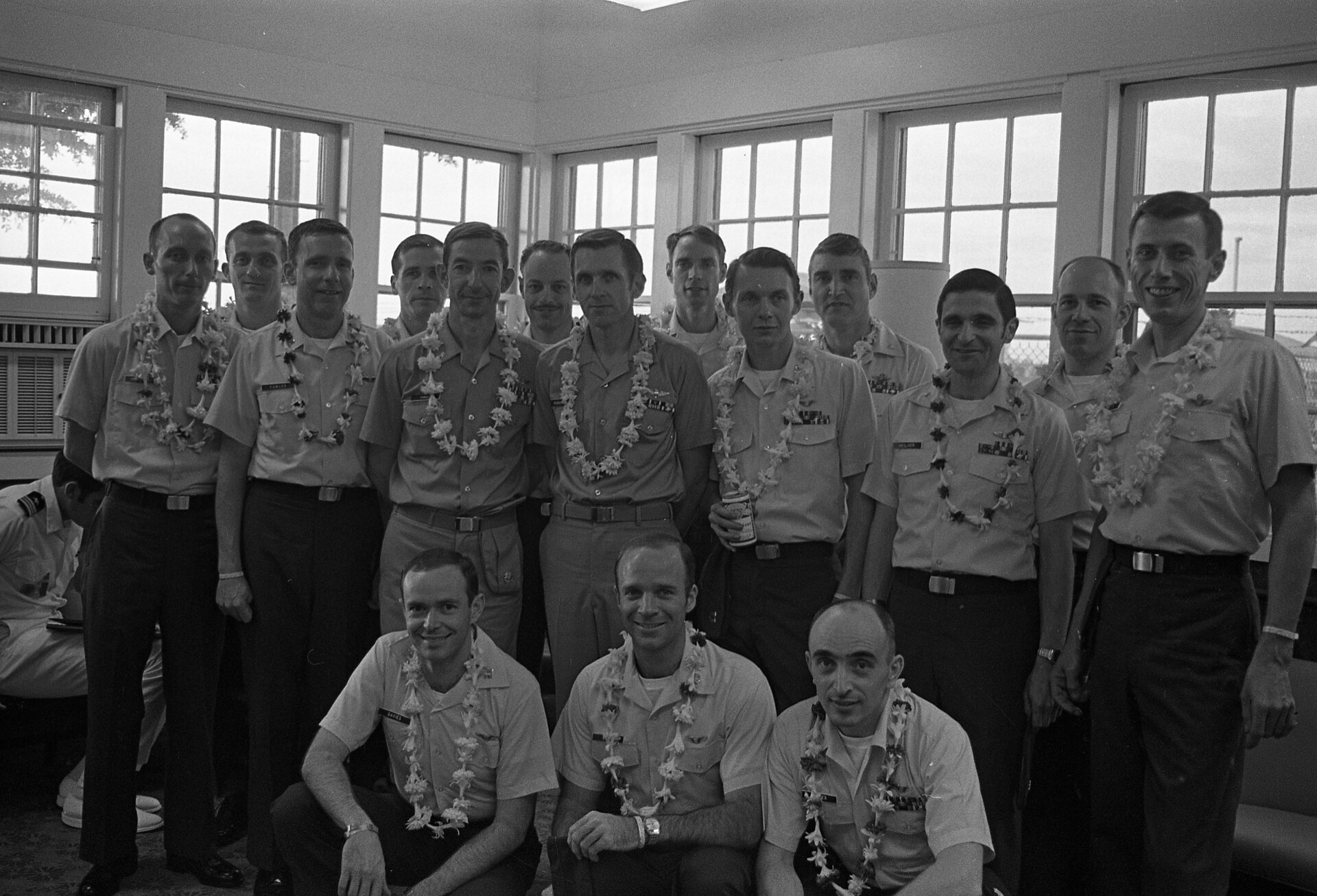
From Feb. 12 to April 4, 1973, Operation Homecoming brought American prisoners of war home. On March 29, 1973, the last U.S. combat troops left South Vietnam, the date now honored as National Vietnam War Veterans Day.
The Fall of Saigon, 1975
The Paris agreement proved to be a temporary truce. North Vietnamese forces launched a major offensive in early 1975, and South Vietnam’s defenses collapsed within weeks.
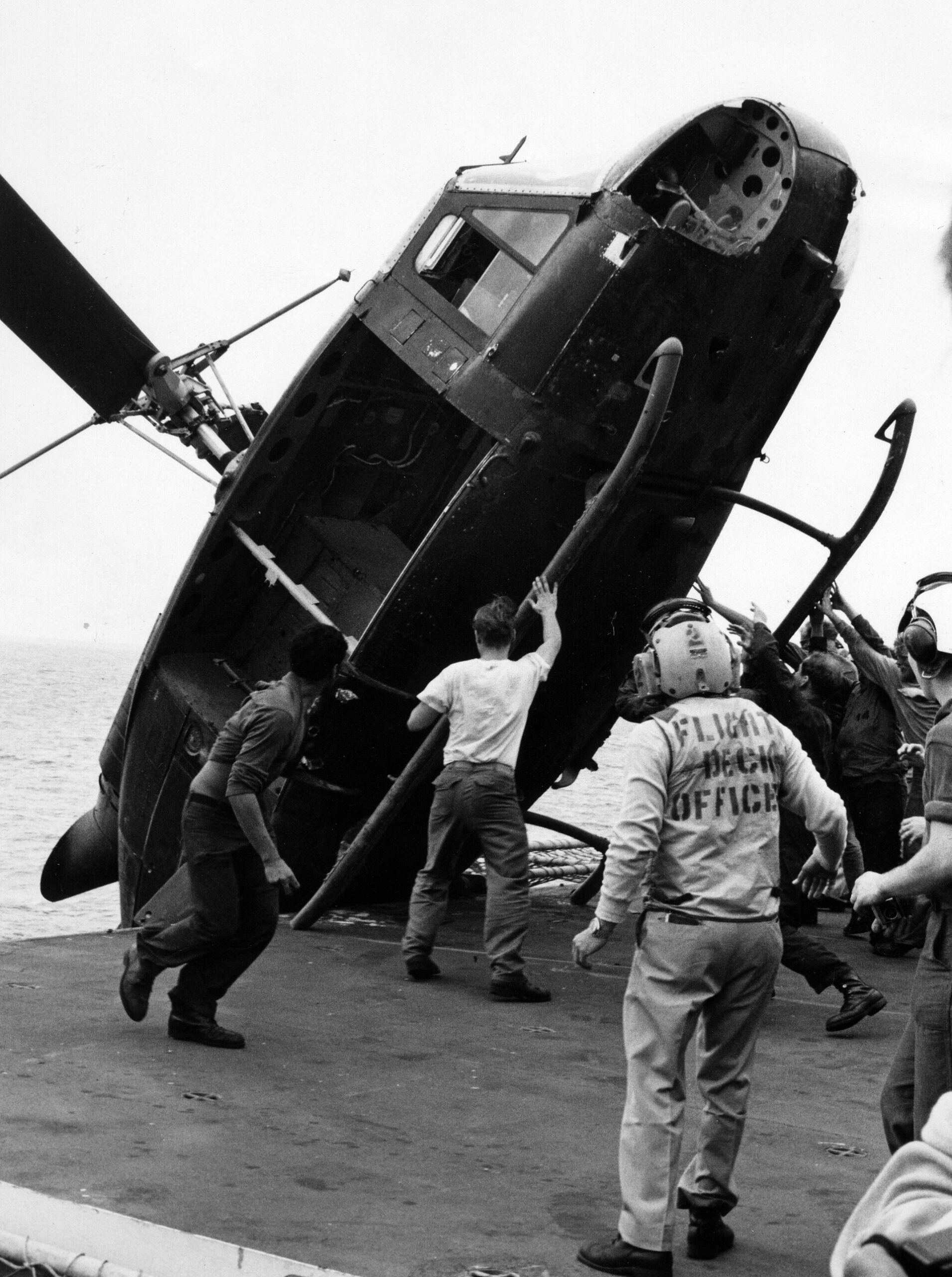
On April 29, 1975, the U.S. military carried out Operation Frequent Wind, a massive helicopter evacuation of Americans and South Vietnamese from Saigon. Ships offshore were so crowded that sailors pushed helicopters into the sea to make room for more arrivals. On April 30, 1975, Saigon fell. Vietnam was formally reunified under communist rule on July 2, 1976.
Vietnam War History in Dates
- 1954
French defeated; Geneva Accords split Vietnam near the 17th parallel
- 1959
First American service member killed in Vietnam, July 8
- 1964
Gulf of Tonkin Resolution passed, Aug. 7; about 23,000 U.S. advisers in country
- 1965
Marines land at Da Nang, March 8; the U.S. combat war begins
- 1968
Tet Offensive, Jan. 30; Paris peace talks open May 13; deadliest year for U.S. forces
- 1969
U.S. strength peaks near 543,000 in April; first withdrawals announced June 8; draft lottery Dec. 1
- 1970
Four students killed at Kent State, May 4
- 1973
Paris Peace Accords, Jan. 27; draft ends; POWs return; last combat troops leave March 29
- 1975
Operation Frequent Wind, April 29; Saigon falls April 30
- 1976
Vietnam reunified under communist rule, July 2
- 1982
Vietnam Veterans Memorial dedicated in Washington, Nov. 13
- 2017
March 29 made National Vietnam War Veterans Day
Who Served in the Vietnam War
About 9 million Americans served on active duty during the Vietnam era, according to the U.S. Army. About 2.7 million of them served in Vietnam itself. They came from every state, every background and every branch.
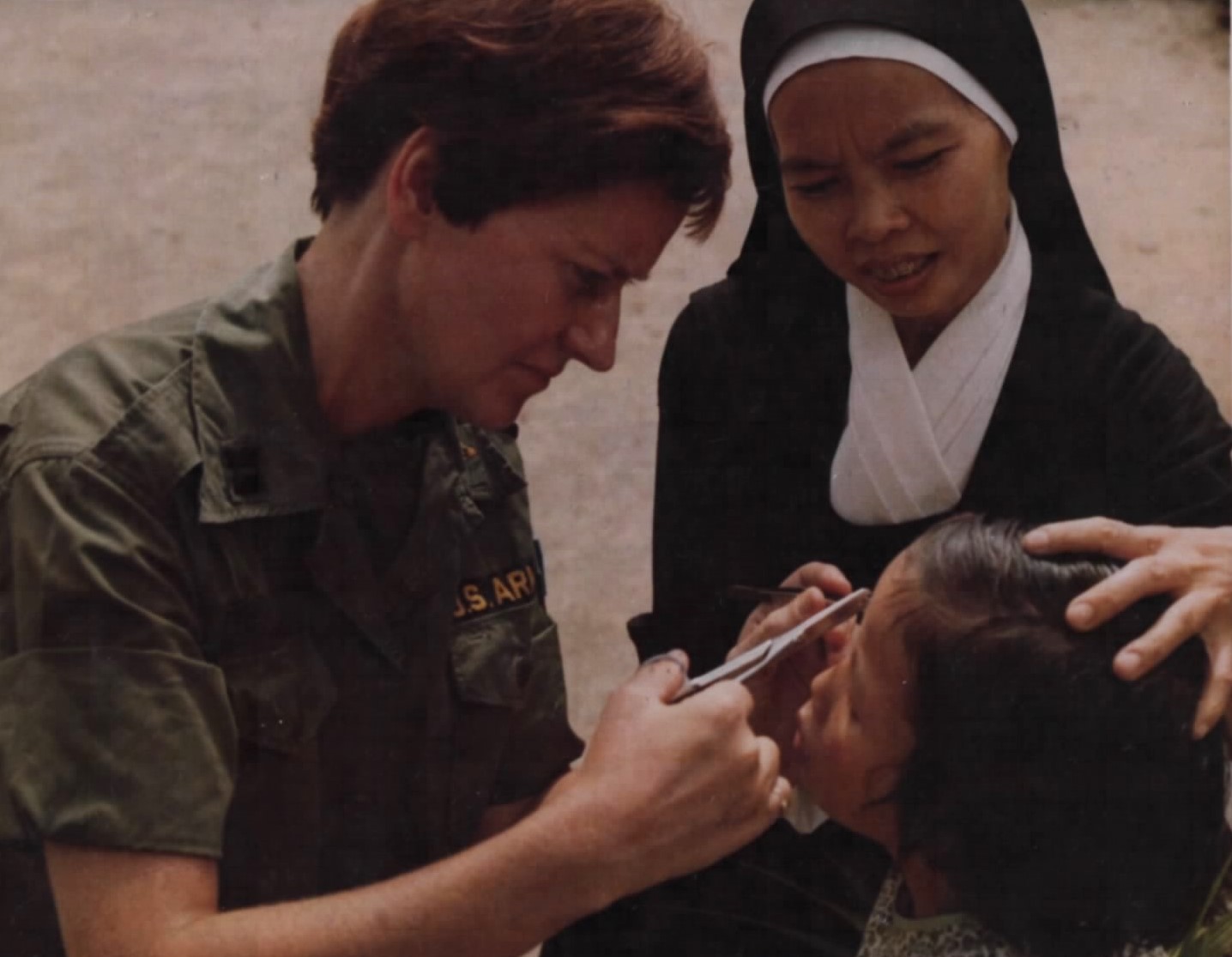
The Vietnam War was the first major American conflict fought with a fully integrated military from start to finish. Thousands of military women served as well, most as nurses. Eight military women’s names are inscribed on The Wall in Washington.
The cost by branch
| Branch | U.S. deaths in the Vietnam War |
|---|---|
| Army | 38,224 |
| Marine Corps | 14,844 |
| Air Force | 2,586 |
| Navy | 2,559 |
| Coast Guard | 7 |
| Total | 58,220 |
Source: National Archives, Defense Casualty Analysis System records (data as of April 29, 2008). Of those deaths, 47,434 were hostile and 10,786 were non-hostile. More than 304,000 Americans were wounded.
Estimates of Vietnamese deaths, military and civilian, on all sides run into the millions and vary widely by source. Neighboring Laos and Cambodia also suffered enormous losses.
Coming Home
Vietnam veterans did not come home to victory parades. Many were insulted, ignored or told not to talk about where they had been. Some put their uniforms away for good.
The physical cost followed many of them for decades. Exposure to Agent Orange and other herbicides has been linked by VA to cancers, heart disease, diabetes and more. Today VA presumes many of those illnesses are connected to service. Our Agent Orange presumptive conditions guide explains who qualifies.
The invisible wounds were just as real. Research on Vietnam veterans helped doctors and the public understand what is now called post-traumatic stress disorder.
The Wall and the Legacy of Vietnam War History
On Nov. 13, 1982, the Vietnam Veterans Memorial was dedicated in Washington, D.C. Its black granite wall lists the names of more than 58,000 Americans who died as a result of their service, arranged by the date they fell. For many veterans, it was the first public acknowledgment that their sacrifice mattered.
The accounting is not finished. As of 2026, the Defense POW/MIA Accounting Agency lists about 1,566 Americans as still missing and unaccounted for from the Vietnam War. Recovery teams still work in Vietnam, Laos and Cambodia today.
In 2017, Congress made March 29 National Vietnam War Veterans Day. The nation also honors Vietnam veterans who came home and later died through the In Memory program.
Rhode Island and the Vietnam War
About 21,000 Rhode Islanders served during the Vietnam War, and the National Archives lists 209 Rhode Island fatal casualties. In 2026, state leaders presented a site on the Providence River for a statewide Vietnam veterans memorial. Read the full story of Rhode Island Vietnam veterans, and help build the memorial.
How to Learn More About Vietnam War History
- Talk to a veteran. Ask where they served and what they want people to know. Then listen.
- Record their story with the Library of Congress Veterans History Project.
- Explore the records at the National Archives Vietnam War collection.
- Visit The Wall That Heals, the traveling replica, when it comes near you, via the Vietnam Veterans Memorial Fund.
Frequently Asked Questions About Vietnam War History
When did the Vietnam War start and end?
There is no single start date. The Defense Department uses Nov. 1, 1955, for commemoration purposes. Large U.S. combat deployments began in March 1965. The last U.S. combat troops left on March 29, 1973, and Saigon fell on April 30, 1975.
How many Americans served in the Vietnam War?
About 9 million Americans served on active duty during the Vietnam era, and about 2.7 million served in Vietnam itself.
How many Americans died in the Vietnam War?
National Archives records list 58,220 U.S. military deaths. The Vietnam Veterans Memorial in Washington lists more than 58,000 names.
Why did the United States fight in Vietnam?
U.S. leaders aimed to stop the spread of communism in Southeast Asia during the Cold War and to support the government of South Vietnam against the communist North and the Viet Cong insurgency.
What was the Tet Offensive?
A coordinated surprise attack by North Vietnamese and Viet Cong forces that began Jan. 30, 1968, across South Vietnam. It failed militarily but turned American public opinion against the war.
Are Americans still missing from the Vietnam War?
Yes. The Defense POW/MIA Accounting Agency lists about 1,566 Americans as still unaccounted for, and recovery missions continue.
Sources
- National Archives: Vietnam War U.S. Military Fatal Casualty Statistics
- Defense Casualty Analysis System: Vietnam Conflict
- U.S. Army: Honoring Vietnam War Veterans
- Defense POW/MIA Accounting Agency
- Congressional Record: Vietnam War resolution, Aug. 1, 2007
- GovInfo: Public Law 115-15, Vietnam War Veterans Recognition Act
- Vietnam Veterans Memorial Fund
- Rhode Island Current: Rhode Island Vietnam memorial site
Photos courtesy of the U.S. Army, U.S. Marine Corps, U.S. Navy, U.S. Air Force, National Archives and Library of Congress via Wikimedia Commons. Videos from the United States of America Vietnam War Commemoration and the National Archives. We build legacies, not campaigns.